
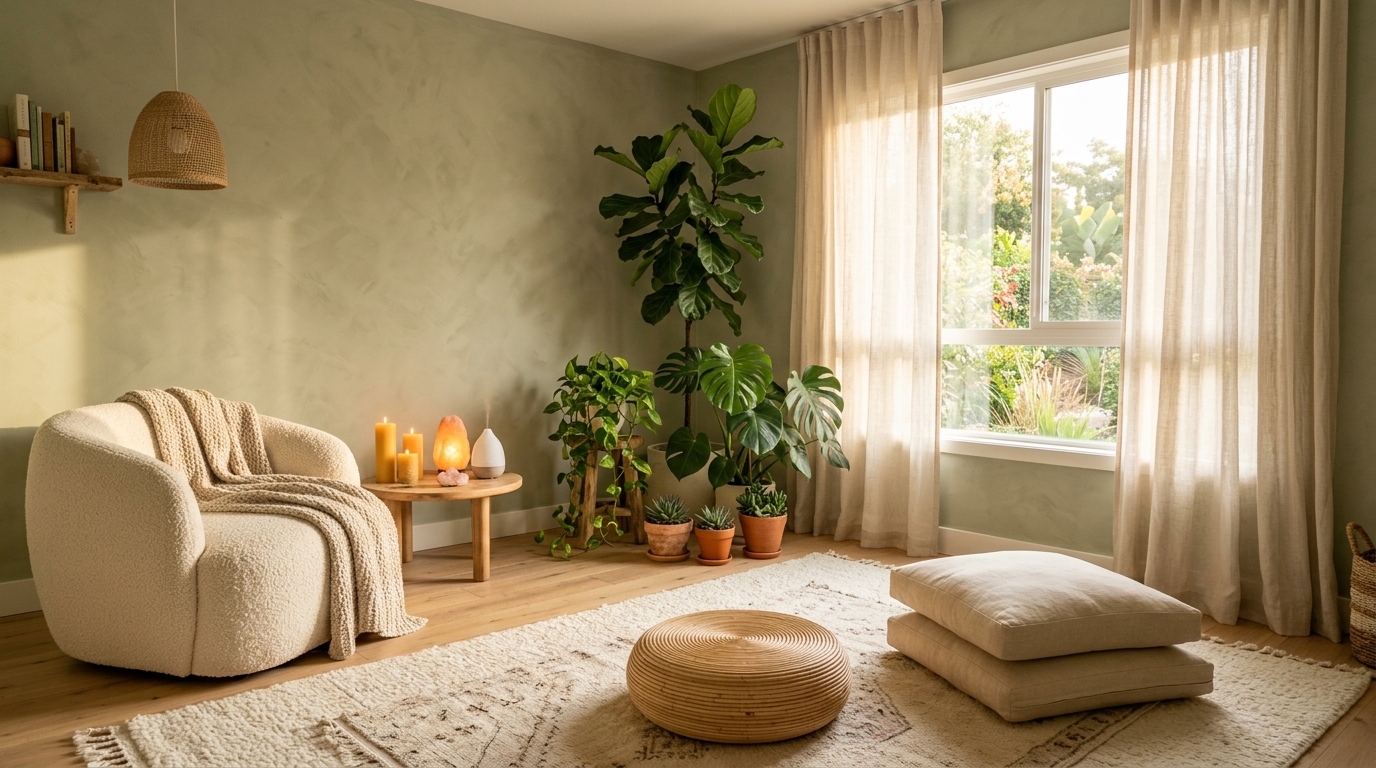
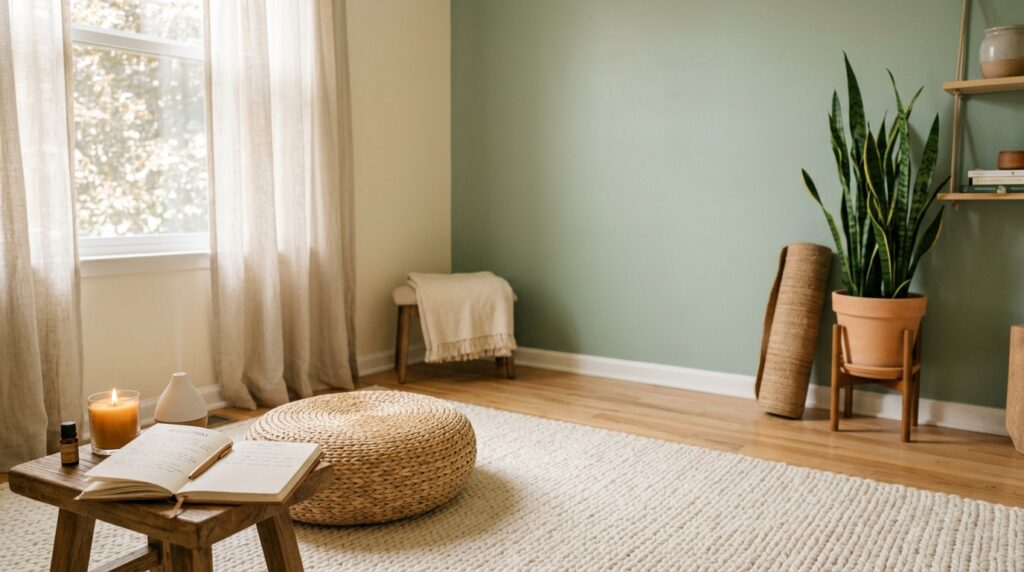
Your Complete Guide to Designing a Calming, Restorative Space at Home
Wellness room ideas are taking over American homes
in 2026, and it is easy to see why. If you have been
scrolling through home design feeds lately, you have
probably noticed a stunning new room type appearing
everywhere.
The numbers tell the story clearly. According to Houzz’s 2026 Summer Trends Report, searches for “wellness room” on their platform are up 164% this year, while searches for “calming” as a design keyword have surged 139%. Biophilic design — the practice of incorporating nature into the built environment — is up 112%. These are not small shifts. These are signals of a fundamental change in how Americans think about their homes and what they expect those homes to do for them.
The best wellness room ideas are always
rooted in intention, not budget. Creating a wellness room in your home does not require a mansion, a major renovation, or an unlimited budget. It requires intention, thoughtfulness, and a willingness to dedicate one space — even a small one — to the sole purpose of feeling better. In this complete guide, we are walking you through every element of a beautiful, functional wellness room: from choosing the right space and setting the right mood with color and light, to selecting furniture, plants, scent, sound, and every other sensory element that makes a wellness room truly restorative.
1. What Is a Wellness Room and Why Does Every Home Need One?
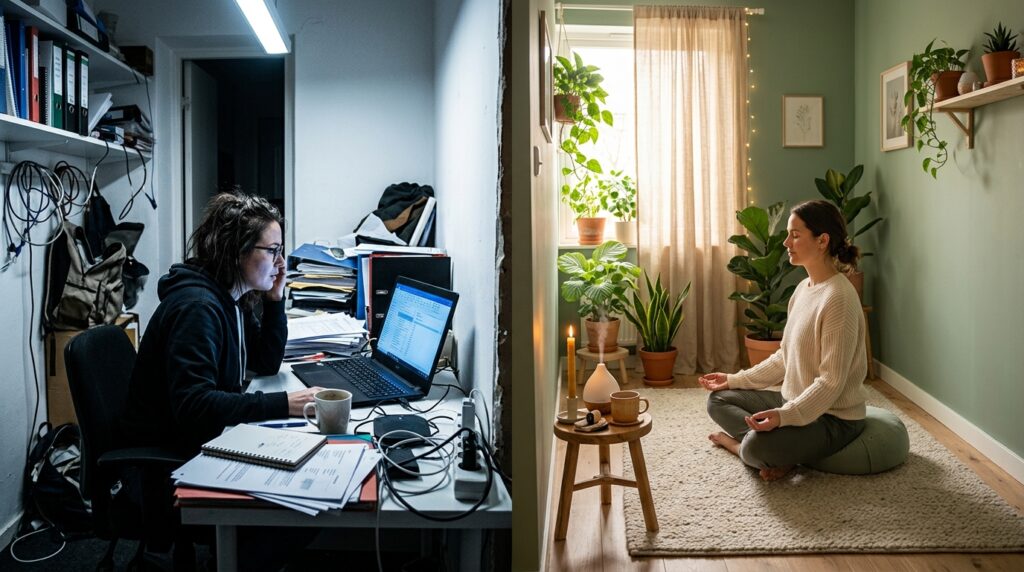
These wellness room ideas will help you build
a space that truly restores you.
A wellness room is a dedicated space in your home designed specifically to support your physical, mental, and emotional health. Unlike a home gym, which focuses primarily on physical fitness, a wellness room is a broader, more holistic concept. It might incorporate elements of a meditation space, a yoga studio, a reading nook, a journaling corner, a breathwork sanctuary, or simply a beautifully designed room where you can sit quietly, breathe deeply, and feel restored.
The wellness room trend reflects a larger shift in how Americans are thinking about home design in 2026. After years of prioritizing open-concept, multi-purpose spaces that serve everyone’s needs simultaneously, homeowners are beginning to reclaim personal space — one quiet room, one peaceful corner, one dedicated sanctuary that belongs to their own wellbeing. This is not selfishness. This is self-preservation, and it is becoming one of the most important design priorities of the decade.
What makes a wellness room different from any other room in your home is its singular purpose. Every design decision — the color on the walls, the texture of the rug underfoot, the quality of the light, the scent in the air, the sounds that fill the space — is made in service of one goal: making you feel calm, restored, and well. When you walk through the door of your wellness room, the space itself should do the work of helping you decompress.
The beauty of the wellness room concept is its flexibility. Your wellness room might be a converted spare bedroom, a transformed basement corner, a garden shed turned meditation studio, or even a thoughtfully designed reading alcove in your living room. Size does not determine impact. Intention does.
2. Choosing the Right Space for Your Wellness Room
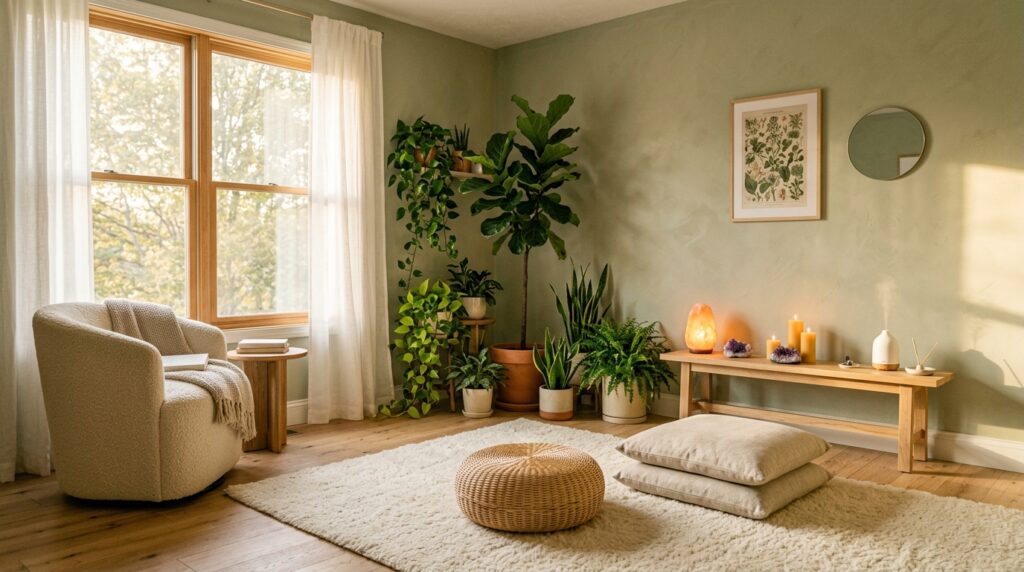
Before you begin designing your wellness room, you need to identify the right space in your home. Not every room is equally suited to becoming a wellness sanctuary, and the wrong choice can undermine your best design efforts before you even begin.
The Ideal Wellness Room Location
These wellness room ideas work for spaces of any size. The best wellness rooms share several key characteristics in terms of location. First, they are quiet — away from the noise of street traffic, the television, the kitchen, and other high-activity areas of the home. Second, they have access to natural light, ideally from a north or east-facing window that provides soft, even illumination without harsh afternoon sun. Third, they are private — a space where you can close the door and be genuinely undisturbed for the duration of your wellness practice.
In terms of specific spaces, spare bedrooms are the most popular choice for wellness rooms because they typically check all three boxes: they are quiet, they have windows, and they have doors. A spare bedroom converted into a wellness room is one of the most valuable transformations you can make in your home — a room that was used occasionally by guests becomes a space you use every single day.
Small Space Solutions
If you do not have a spare room to dedicate entirely to wellness, do not be discouraged. Some of the most beautiful and effective wellness spaces are carved out of corners, closets, and nooks within larger rooms. A large walk-in closet can be transformed into a meditation alcove with the addition of a cushion, soft lighting, and a few meaningful objects. A bay window with a built-in bench becomes a peaceful reading and breathing sanctuary with the right cushions and curtains. Even a corner of your bedroom, defined by a beautiful rug and a comfortable chair, can serve as a wellness zone within a larger space.
The key to making a small wellness space work is visual separation. Use rugs to define the space on the floor, curtains or a room divider to separate it visually from the rest of the room, and lighting to distinguish it from the surrounding area. When you step onto the rug and into the designated space, your mind should register that this is a different kind of zone — a place for a different kind of being.
3. The Color Palette: Setting the Foundation for Calm
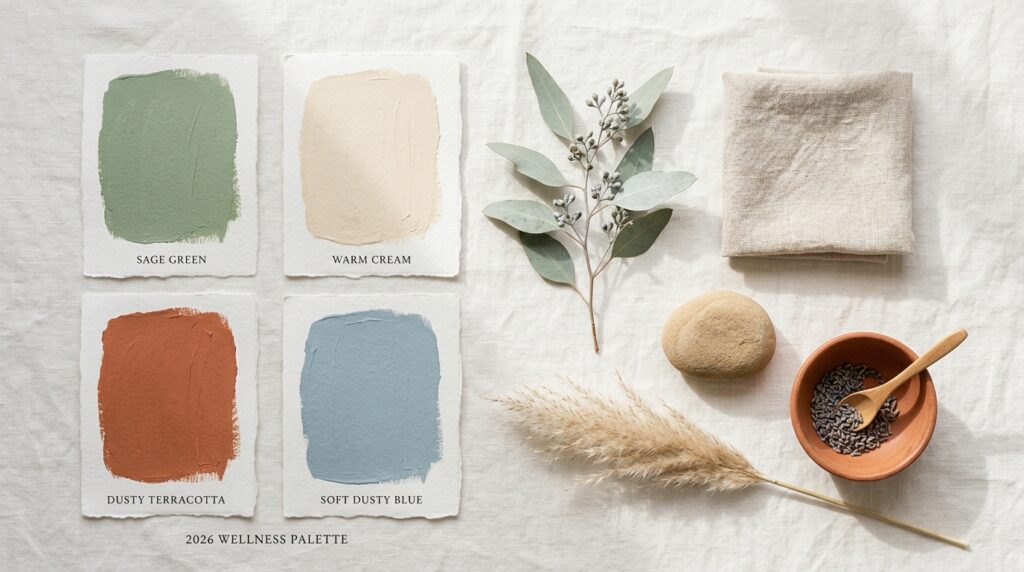
Color is one of the most impactful wellness room
ideas you can implement immediately.
Color is the single most powerful tool in the wellness room designer’s toolkit. The colors you choose for your walls, textiles, and furnishings will have a direct, measurable effect on your mood, stress levels, and ability to relax. This is not speculation — it is backed by decades of environmental psychology research.
The Best Colors for a Wellness Room
Soft sage green is the most popular wellness room color of 2026, and for good reason. Green is the color most associated with nature, growth, and balance, and sage green in particular — that muted, dusty, grey-green tone — creates a sense of calm that few other colors can match. It works beautifully with natural wood tones, cream textiles, and terracotta accents, and it photographs beautifully for those Instagram-worthy wellness room moments.
Warm cream and off-white tones are essential companions to any wellness room color palette. Pure bright white can feel clinical and stimulating — the opposite of what you want in a wellness space. Opt instead for warm creams, antique whites, and linen tones that feel soft and enveloping. These colors reflect light gently, create a sense of spaciousness, and provide a beautiful neutral backdrop for natural textures and materials.
Soft terracotta and warm clay tones are trending strongly in 2026 wellness spaces, bringing an earthy, grounding quality that connects the space to the natural world. A terracotta accent wall, terracotta pottery, or terracotta-toned cushions add warmth and depth without overwhelming the calming atmosphere. Dusty blue — a soft, muted blue-grey — is another beautiful wellness room color, associated with sky, water, and tranquility.
Colors to Avoid
Bright, saturated colors — electric blue, hot pink, vivid orange, bright red — are generally not suitable for wellness rooms because they are stimulating rather than calming. High-contrast color combinations, stark black and white, and very dark colors can also create tension rather than ease. The goal is a palette that feels like a gentle exhale — soft, warm, and deeply comfortable.
4. Lighting: The Mood Maker
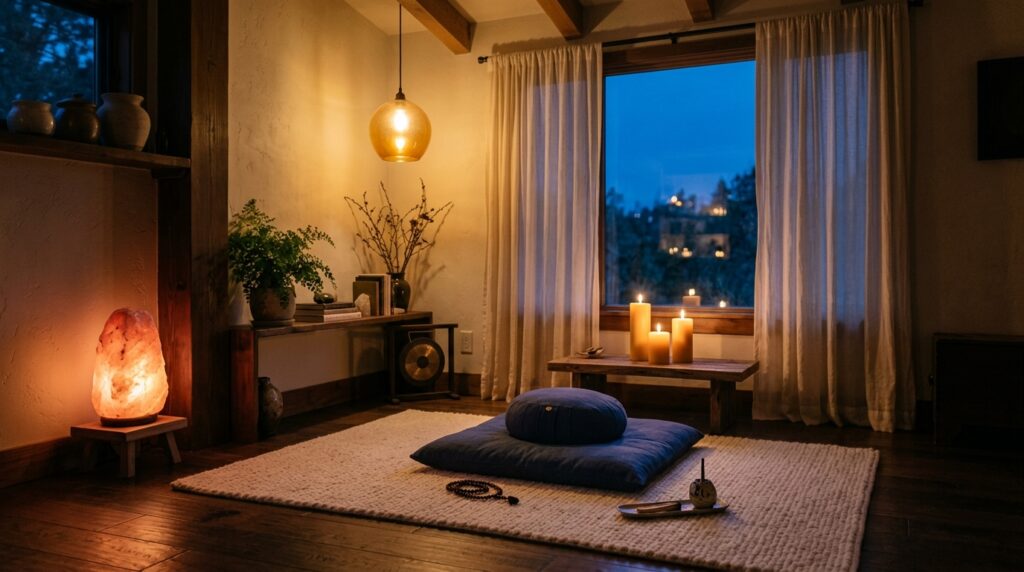
Lighting tops every list of practical wellness
room ideas for good reason. After color, lighting is the most important element in creating the atmosphere of your wellness room. The right lighting can make a space feel like a spa retreat; the wrong lighting can make even the most beautifully designed room feel harsh and uncomfortable. Wellness room lighting is all about layering — combining multiple light sources at different heights and intensities to create a warm, enveloping glow.
Natural Light First
Natural light should always be your first priority in a wellness room. If your space has windows, maximize the natural light by choosing window treatments that filter rather than block — sheer linen curtains, light bamboo blinds, or translucent roman shades that allow soft, diffused daylight to fill the room while providing privacy. Position your primary seating or practice area near the window to take advantage of the mood-boosting benefits of natural sunlight.
Warm Artificial Lighting
For evening wellness sessions and spaces with limited natural light, warm artificial lighting is essential. Choose bulbs with a color temperature of 2700K to 3000K — this is the warm, amber-toned range that feels most similar to candlelight and is the most relaxing for the human nervous system. Avoid cool white or daylight bulbs (5000K and above), which are stimulating and can interfere with relaxation and sleep preparation.
A dimmer switch is one of the most valuable investments you can make for your wellness room. The ability to lower the light level gradually as you settle into your practice — from a soft work-level brightness when you first enter to a deeply dimmed, near-candlelight level when you are in deep meditation or restorative yoga — is transformative.
Candles and Salt Lamps
Real candles and Himalayan salt lamps add a quality of light that no electric fixture can replicate — warm, flickering, alive. The gentle movement of candlelight is deeply calming to the nervous system and creates an atmosphere of intimacy and sacred quiet. Group three to five candles of different heights on a low table or on the floor for a beautiful focal point. A Himalayan salt lamp, with its warm pink-orange glow, adds both light and a gentle, grounding presence to any wellness space.
5. Furniture and Layout: Designing for the Body
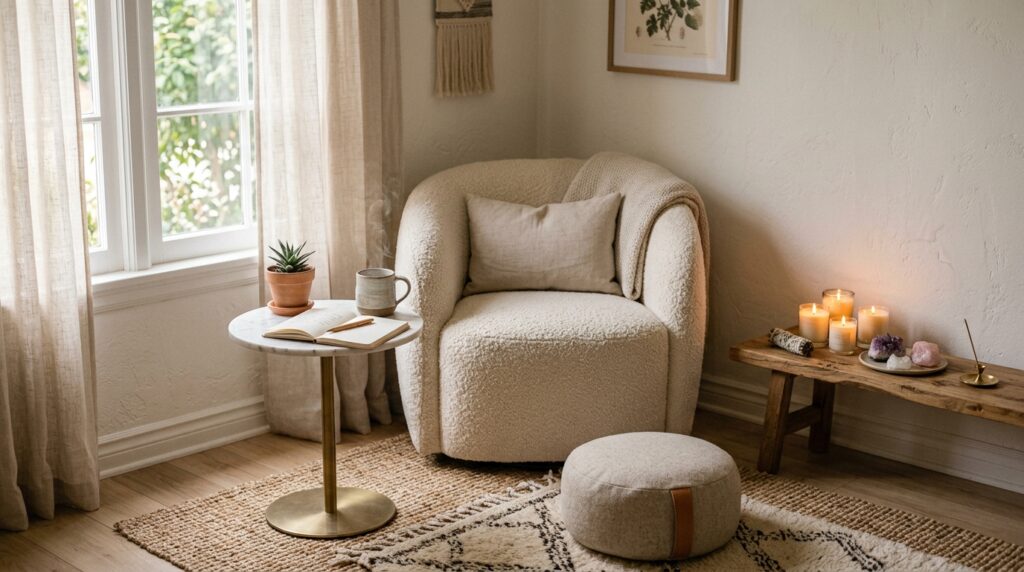
The furniture in your wellness room should serve your body rather than your aesthetics, though the most beautifully designed wellness rooms manage to do both simultaneously. Every piece of furniture should have a clear purpose related to your wellness practice, and the layout should create a sense of spaciousness and ease rather than clutter or busyness.
The Floor as Furniture
In a wellness room, the floor itself becomes one of the most important surfaces. A large, plush area rug in a natural fiber — wool, jute, or cotton — in a soft neutral tone creates a warm, comfortable ground plane for sitting, stretching, and practicing yoga or meditation. Layer a smaller, softer rug on top for additional comfort and texture. Floor cushions and meditation bolsters are the most versatile seating elements for a wellness room — they can be arranged in any configuration, stored easily, and support a wide range of body positions and practices.
A Comfortable Chair or Chaise
Every wellness room benefits from one supremely comfortable chair or chaise lounge — a place to sit and read, journal, meditate in an upright position, or simply rest and breathe. Choose a chair with a high back for support, generous cushioning for comfort, and a fabric that feels soft and inviting to the touch — velvet, boucle, linen, or cashmere are all excellent choices. Position the chair near your window for access to natural light, or facing a focal point like a piece of artwork, a plant, or a simple altar.
A Low Table or Altar
A small, low table serves as both a practical surface and a symbolic element in a wellness room. Use it to hold candles, crystals, a small plant, a journal, essential oil diffuser, and other objects that support your practice. This table becomes an anchor for the space — a focal point that draws the eye and signals the purpose of the room. Choose a natural material like wood, marble, or rattan for this piece.
6. Biophilic Design: Bringing Nature Indoors
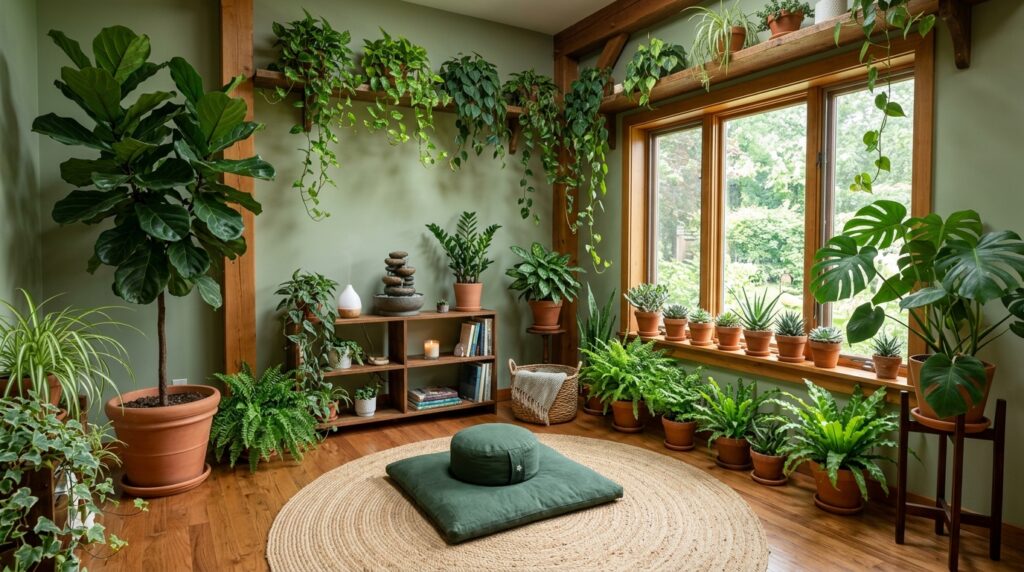
Biophilic design — the practice of incorporating natural elements into the built environment — is one of the most important principles of wellness room design, and one of the fastest-growing trends in American home design in 2026. Research consistently shows that exposure to nature, even simulated or indirect nature, reduces stress hormones, lowers blood pressure, improves mood, and enhances cognitive function. Your wellness room should feel, as much as possible, like an extension of the natural world.
Plants: The Living Element
Biophilic elements are among the top wellness
room ideas recommended by interior designers. Biophilic elements are among the top wellness
room ideas recommended by interior designers.
Plants are the most direct and powerful way to bring nature into your wellness room. Beyond their visual beauty, plants improve air quality, add humidity to dry indoor air, and provide the subtle, deeply calming effect of being in the presence of living things. For a wellness room, choose plants that thrive in the indirect light conditions typical of interior spaces: peace lilies, pothos, snake plants, ZZ plants, monstera, and ferns are all excellent choices.
Group plants at different heights — a tall floor plant like a fiddle leaf fig or bird of paradise in one corner, medium-height plants on shelves or side tables, and small trailing plants like pothos or string of pearls in hanging planters — to create a layered, lush, garden-like atmosphere. The more plants, the more restorative the space.
Natural Materials Throughout
Every material in your wellness room should feel natural, tactile, and honest. Wood floors or wooden furniture with visible grain. Linen or cotton textiles with a soft, breathable hand. Wool rugs with a dense, plush pile. Rattan or wicker baskets for storage. Stone or ceramic vessels for plants. These materials connect the space to the natural world in a way that synthetic materials simply cannot, and they create a sensory richness that supports the wellness experience.
Water Features
The sound of water is one of the most universally calming sounds in the natural world. A small tabletop water fountain in your wellness room adds not just the visual beauty of moving water, but the auditory experience of its gentle, constant flow. Even a very small fountain — just six or eight inches tall — can transform the acoustic environment of a room and mask distracting background noise from other parts of the home.
7. Scent and Sound: The Invisible Elements
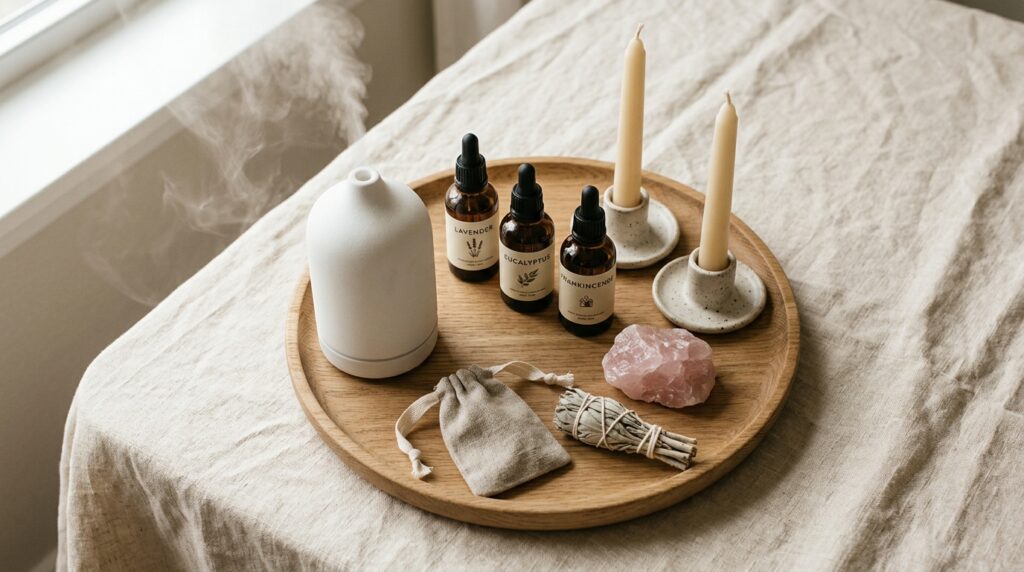
Two of the most powerful elements in a wellness room are invisible: scent and sound. Both work directly on the nervous system, bypassing conscious thought and speaking directly to the body’s stress response. Getting these elements right can elevate a beautiful wellness room into a genuinely transformative experience.
Essential Oils and Aromatherapy
An essential oil diffuser is one of the most valuable tools in a wellness room. Different essential oils have different effects on the nervous system: lavender is deeply calming and promotes sleep; eucalyptus is clarifying and supports respiratory health; frankincense is grounding and meditative; bergamot lifts mood and reduces anxiety; sandalwood creates a sense of sacred, quiet depth. Experiment with single oils and blends to find the scents that work best for your particular wellness goals.
Beyond diffusers, scented candles, incense, and room sprays all have their place in a wellness room. The act of lighting a candle or incense stick can itself become a ritual that signals to your mind and body that it is time to shift into a different mode — slower, quieter, more inward.
Sound Design for Wellness
Sound is as important as scent in creating the atmosphere of a wellness room. Invest in a good quality Bluetooth speaker and use it to play sounds that support your practice: nature sounds like rain, ocean waves, forest birdsong, or flowing water; binaural beats or isochronic tones that support specific brain states; classical music or ambient instrumental music; guided meditations or breathwork sessions; or simply silence, which is itself a sound worth designing for by choosing a quiet location and using soft furnishings to absorb background noise.
8. Quick Wellness Room Ideas for Every Budget
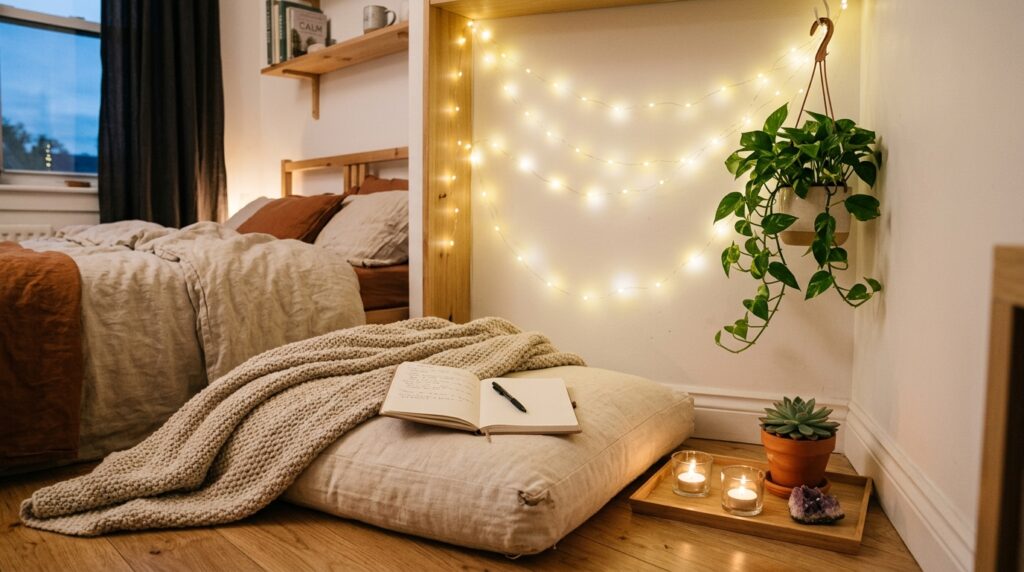
Creating a wellness room does not have to be expensive. Here are ideas at three different budget levels:
Budget-Friendly (Under $200)
- A large floor cushion or meditation pillow in a natural linen fabric
- A small essential oil diffuser and a set of five essential oils
- Two or three low-maintenance plants like pothos or snake plants
- A string of warm white fairy lights for soft evening illumination
- A cozy throw blanket in a natural fiber for warmth and comfort
- A simple wooden tray to hold candles, crystals, and small meaningful objects
Mid-Range ($200 to $800)
- A plush area rug in a natural fiber — wool or cotton — in a soft neutral tone
- A comfortable accent chair in a velvet or boucle fabric
- A small tabletop water fountain for ambient sound
- A full-spectrum SAD lamp for mood support during darker months
- A yoga mat in a natural rubber material with a non-slip surface
- Blackout or sheer linen curtains depending on your light needs
- A Himalayan salt lamp for warm ambient lighting
Investment Level ($800 and Above)
- Professional limewash or venetian plaster on the walls for texture and depth
- A built-in window seat with storage and custom cushioning
- A high-quality infrared sauna blanket or panel for deep relaxation
- Smart lighting with dimmer controls and color temperature adjustment
- A premium sound system optimized for the acoustics of the space
- Custom built-in shelving for plants, books, and wellness tools
Final Thoughts: Your Home Should Take Care of You
The wellness room trend of 2026 is about something deeper than aesthetics. It is about a fundamental shift in how we understand the relationship between our homes and our health. For too long, we have designed our homes primarily for productivity, entertainment, and social performance — spaces that look good for others. The wellness room is a space designed entirely for you — for your nervous system, your body, your breath, and your peace of mind.
You do not need to wait until you have a perfect space, a generous budget, or a complete design plan to begin creating your wellness room. Start with one element: a cushion on the floor, a plant in the corner, a candle on a tray, a diffuser filling the air with lavender. Begin there. Let the space grow and evolve with your practice. The most important thing is simply to begin — to claim one corner of your home and dedicate it to the radical, necessary act of feeling well.
For evidence-based wellness design research,
visit the International WELL Building Inhttps://www.wellcertified.comstitute. Looking for more home decor inspiration?
Check out our guide to 4th of July entrywayhttps://www.decoriques.com/4th-of-july-entryway-decor/ decor.
Looking for more decor inspiration? Check out
our guide to 4th of July entrywHomeay decor.
Your home has been waiting to take care of you. Let it. 🌿✨
Leave a Reply